Wall insulation in Lafayette IN - warmer rooms without tearing out walls
Cold, drafty rooms in an older house usually mean empty walls. We fill them through small holes and patch them when we're done.
Can you insulate walls without tearing them out?
Wall insulation in Lafayette, IN, fills the hollow spaces inside your existing walls, the framing cavities between the studs, by blowing in fill through small holes we close up afterward, so most houses get insulated walls without a remodel.
Most wall calls I get start with a room that never warms up, an outside wall that feels cold to the hand, or a power bill that keeps climbing in an older house where the attic insulation is already done. The price mostly follows how many square feet of wall we're filling, what's on the outside of the house and whether anything has to be fixed before we start, and the schedule turns on those same repairs and on whether your address needs a permit. When I come out, I walk the house with you and write out what I'd do and why, so you're looking at a plan for your own walls instead of a guess.
How we handle wall insulation
Before we fill anything, I look over the walls for damp spots, stains and cracked plaster or drywall, because those get dealt with first. Then we decide whether to work from inside or outside, based on your siding and how your rooms are finished. Indoors, our crew covers your floors and closes off the work area before anyone drills. We open a small hole into each cavity, dense-pack it with blown-in fill, which is loose insulation blown through a hose and packed tight so it won't settle, and then close the holes back up.
Walls are only one place a house loses heat, and I'd rather point you to the cheaper fix if that's where the problem is. Drafts at outlets, baseboards and window trim are usually air coming through gaps, and our air sealing services close those so the new insulation isn't fighting a breeze. If your complaint is cold floors, the heat is often going out below, and basement insulation can do more for that than filling the walls upstairs.
Filling from outside, through the siding
This suits most houses with siding we can lift off and set back, because nothing inside gets touched and your rooms stay in use. It's usually my first choice when the siding is in decent shape.
Filling from inside, through the wall
This suits brick or stone houses, or siding that won't come off cleanly, and it works well if you're planning to paint anyway. We cover the floors, close off the room and patch every hole before we leave.
Open walls during a remodel
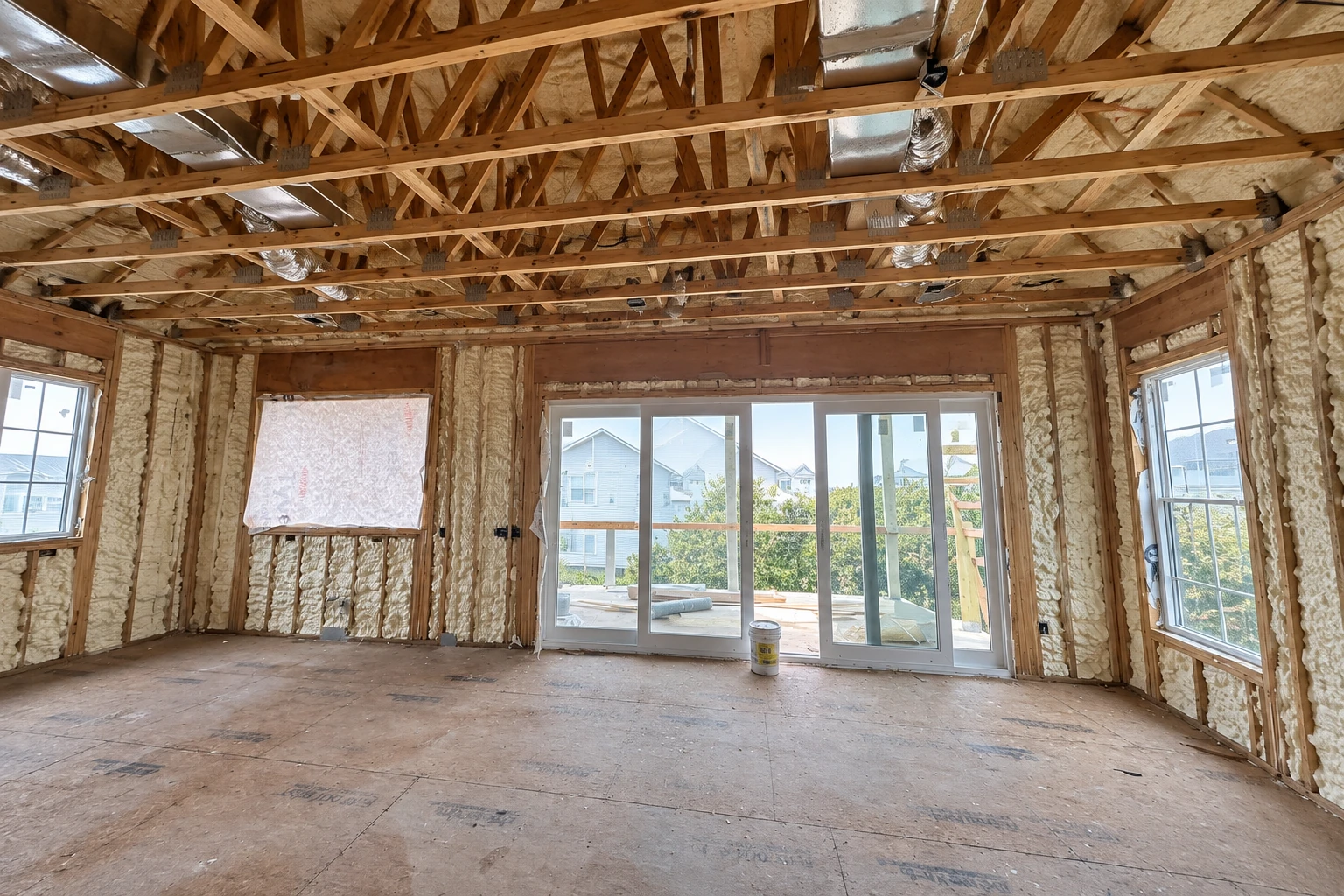
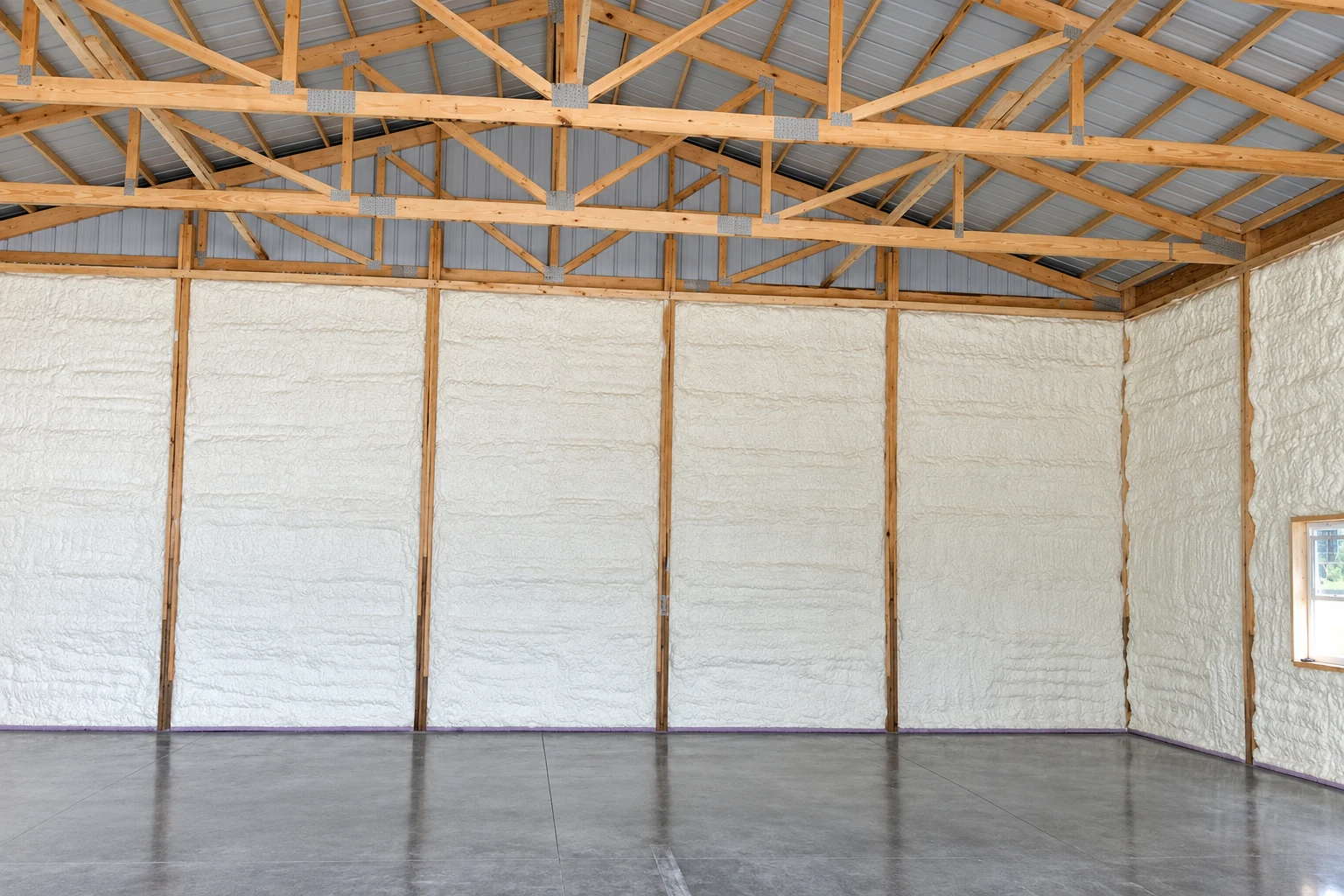
If you're already taking walls down to the studs, that's the easiest time to insulate, since every cavity is in reach and nothing has to be drilled. Spray foam is an option then and seals air while it insulates, but it costs more, so I'd save it for spots like the room over the garage where drafts are the bigger problem.
Permits and older houses for wall insulation in Lafayette
In Lafayette, the City Engineer's Office issues building permits for work inside city limits, and the city says a permit is required for any alterations, repairs or changes to existing buildings. Outside city limits, most of the county goes through the Tippecanoe County Building Commission, which doesn't cover Lafayette or West Lafayette. Which office has your address, and what it wants for wall work, is something I check before we schedule, and if a permit's needed we handle the paperwork and tell you what the office needs from you.
A lot of the older houses we work in around Lafayette have plaster walls and lap siding over cavities with little or nothing in them, and some have had a leak or two over the years, which is why the damp check comes first. We see the same kinds of houses on jobs in West Lafayette and Frankfort, and we do the work the same way there.
Wall insulation work up close
Why call us for wall insulation
I write every estimate myself
I come out, look at your walls and write the estimate, then our install crew does the work and I check it over with you at the end. The person who told you what the job would be is the one who signs off on it.
Commercial training, own crew since 2017
I spent years spraying foam and blowing fill on warehouses, offices and new buildings before starting this business in 2017, and I still answer the phone myself here in Lafayette. You get someone who has seen a lot of walls, not a call center.
Licensed and insured for your job
We're licensed and insured. That's worth having settled before anyone drills a hole in your house.
We fix the cause first
If a wall is damp from a roof leak or a plumbing drip, I'll tell you to get that fixed before we insulate, even if it means calling another trade. The work we do is backed by our satisfaction guarantee.
On walls, doing the steps in the right order matters more than which fill goes in, so call (765) 250-8263 or send us a message and I'll come take a look.
(765) 250-8263Get a written plan for insulating your walls
Send this and we'll reply within one business day to set a time for me to come out. The estimate is free, done at your house and comes with no obligation, and I'll write out what I'd do to your walls and why.
Wall insulation questions from Lafayette homeowners
How much does blown-in wall insulation cost in Lafayette, IN?
Blown-in wall insulation installed by a pro usually costs about $2 to $4.50 per square foot across the US. That's the going rate nationally, not our price, and where your walls land depends on how much area there is, what's on the outside and any repairs that come first. Spray foam is typically the most expensive way to insulate an existing wall.
Do you have to open up my walls to add insulation?
No, most closed walls get dense-packed through small holes, and the rest of the wall stays in place. From outside, vinyl, aluminum and steel siding can usually be loosened with a siding tool, and afterward the holes are plugged and sealed and the water-shedding layer behind the siding is repaired where there is one. From inside, holes get patched or covered with a chair rail molding, so tell me which finish you want in each room.
What should I do if my walls have damp spots before insulating?
Find and fix the moisture problem first, then insulate. Energy Department guidance says to inspect walls and hold off on insulating until moisture problems are found and repaired, since dense-packing can cause more damage where a wall is already weak. If the cause is a roof leak or a plumbing drip, I'll tell you who to call before we do anything.
What is the best way to insulate walls in an older house?
For most older houses, dense-packing through small holes is the practical way, because the plaster and siding stay where they are. One cost guide says dense-pack cellulose, which goes in dry, works best in older homes, since they tend to let hot or cool air escape more easily. I'd add that the gaps around outlets, trim and pipes should get sealed too, or the new fill ends up fighting a draft.
Do I have to leave the house while you insulate the walls?
Usually not with blown-in fill, since we close off the room we're working in and cover the floor, and you can go about your day in the rest of the house. Spray foam is different, because you stay out until the re-entry time, the wait the foam maker sets before it's safe to come back, has passed. I'll tell you which applies to your job before we book a day.
How do I know if my walls need insulation?
Outside walls that feel cold in winter and rooms that stay drafty after the attic's been done are the usual signs, especially in an older house. To be sure, I pull an outlet cover or look through a small hole to see what's actually in the cavity. That check is part of the estimate, and it tells you whether filling the walls is worth it.
Ask about wall insulation and air sealing in Lafayette
Call (765) 250-8263 with your address, rough wall area, siding type and any damp spots handy, and the first conversation goes a lot quicker.