Air sealing services in Lafayette IN - fewer drafts and rooms that hold their heat
Cold floors, a drafty hallway or a hot room upstairs usually mean air is slipping through hidden gaps, and we find and close them.
Do I need air sealing or more insulation?
Air sealing services in Lafayette close the gaps that let air move between your attic and the rooms below, along with the drafty spots around doors and windows, so the heat you pay for stays where you live. Insulation slows heat, but air slips right through it, so sealing is the part that actually stops the draft.
Most calls start with a room that never feels right. The floor over the crawl space stays cold, the hall by the back door is drafty, or the attic insulation looks deep enough and the upstairs still swings between too hot and too cold. What moves the price is how many gaps there are, how hard they are to reach and whether old insulation has to be pulled back or cleared out first. The schedule mostly turns on what the first look in the attic turns up, since a roof leak or old wiring gets dealt with before we seal anything. When I come out, I walk through the house with you and write out what I'd do and why.
What happens on an air sealing job
I start before anyone climbs into the attic, by looking at how your house gets fresh air and how the furnace and any fireplace vent, because a tighter house can pull exhaust back inside if those aren't set up right. Then I point out the drafts around doors and pipes you can close with a caulk gun yourself, since there's no reason to pay us for those. The attic is where our crew earns its keep. We pull back the insulation and seal the openings between the attic and the rooms below, around the chimney and ducts, along the top plates, which are the boards running across the top of each wall, over boxed-in ceilings like the soffit above kitchen cabinets, and wherever pipes and wires come up through. Insulation that's been soaked or full of droppings comes out instead of going back, and we keep the eave vents clear so the attic can still breathe. We do all of that before any new insulation goes down, because that order gets the most out of both, and once a gap is buried under fresh fill nobody goes back for it. When the crew is done, I check the work over with you.
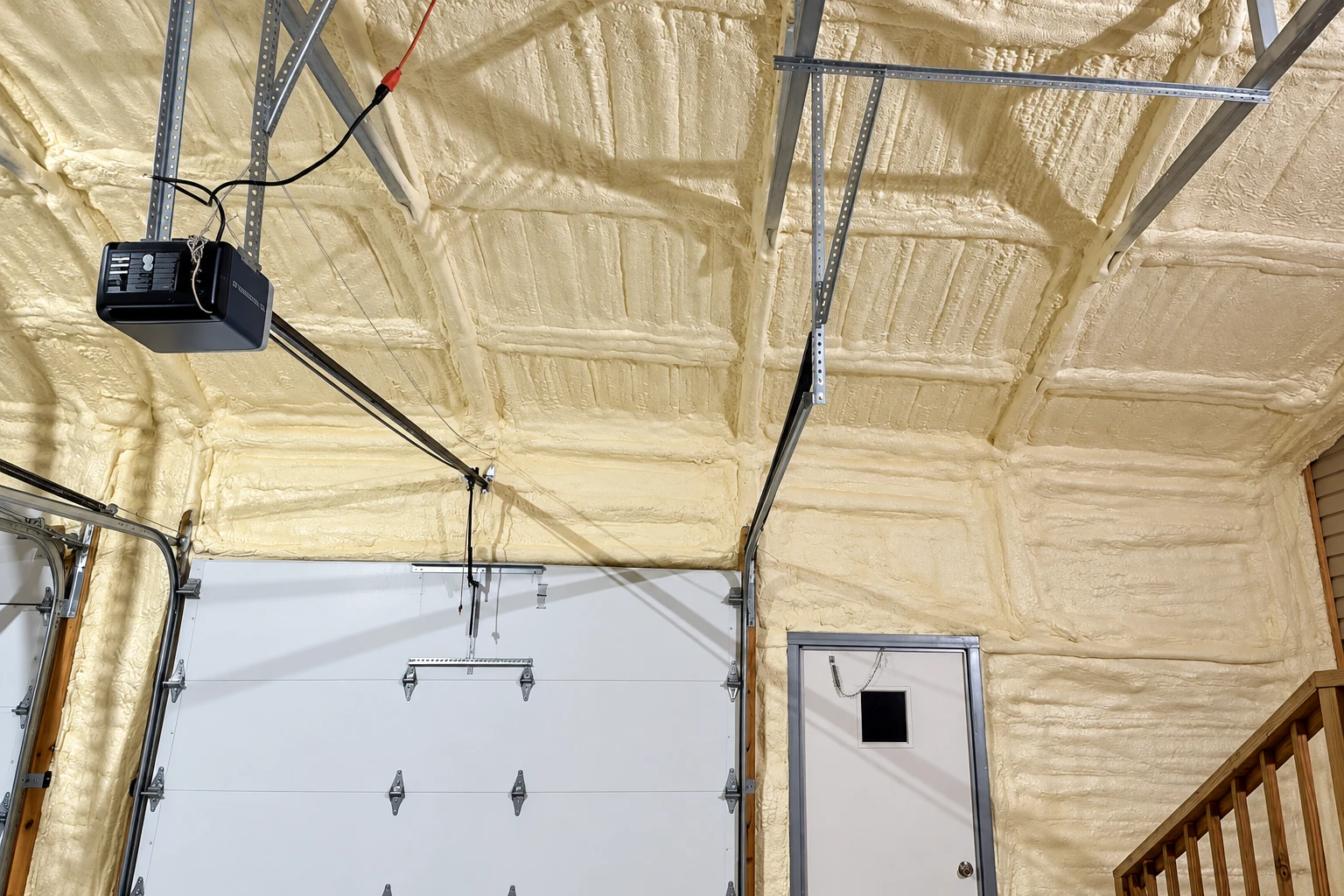
Air doesn't only leak at the top of the house. As warm air escapes upstairs, cold air gets pulled in down low, so the rim joist in an unfinished basement, the board that sits on top of the foundation wall, is often worth sealing along with basement insulation. Where the gaps are large or a space stays damp, closed-cell foam insulation, a dense foam that also blocks moisture, seals and insulates in one pass.
Seal the gaps, then top up loose fill
This suits most attics with room to work and no ductwork running through them, and it's the one I recommend most often. It costs less than foam and handles the drafts that matter, as long as the sealing is done right first.
Spray foam where the ducts live
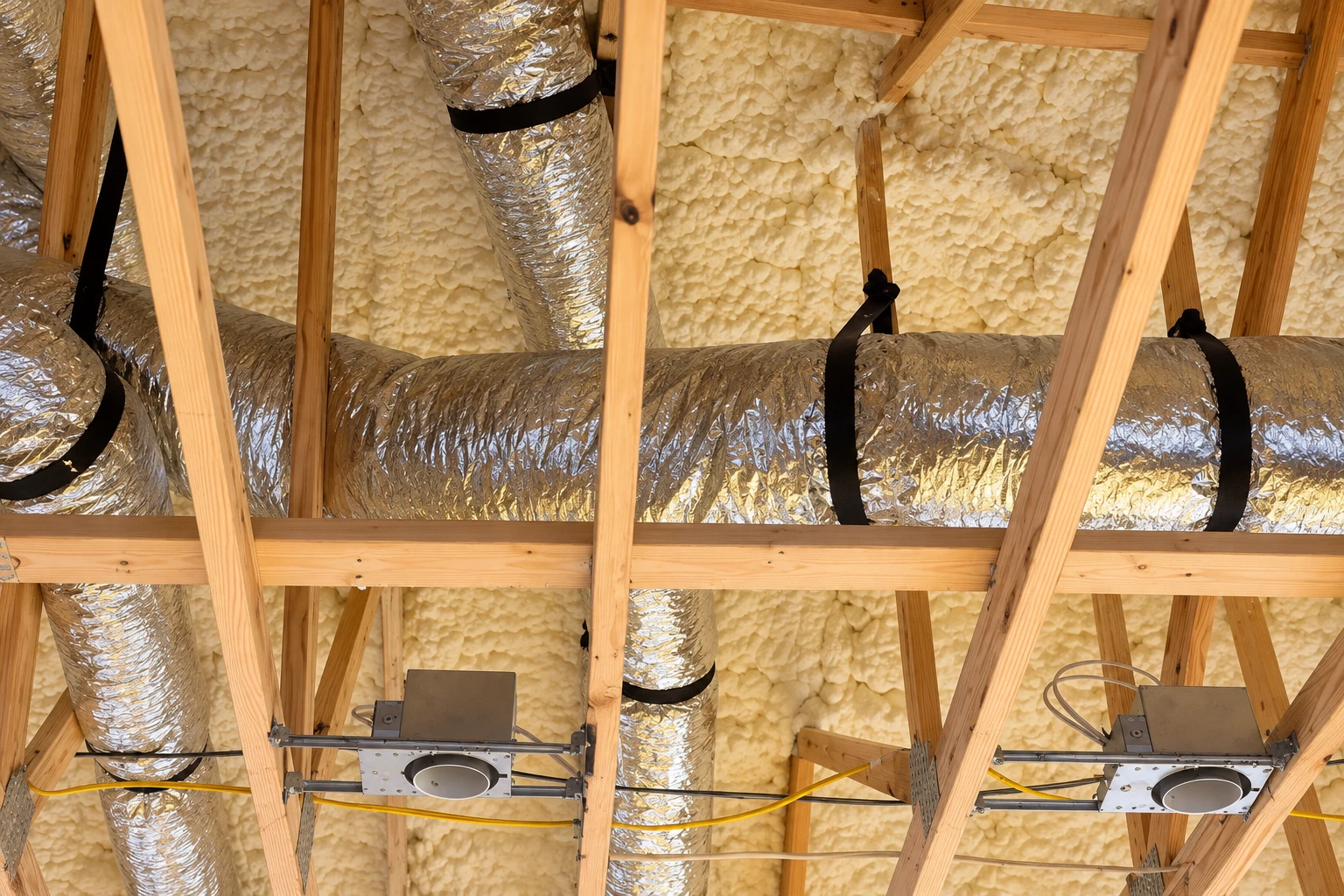
If your furnace or ductwork sits up in the attic, foam can make sense because it seals air while it insulates and brings those ducts inside the warm side of the house. It costs more, so I only suggest it when the layout calls for it.
Air sealing in Lafayette: permits and the houses we see
In Lafayette, the City Engineer's Office issues all building permits inside city limits, and the city requires a permit for any alterations, repairs or changes to existing buildings. Whether your air sealing job falls under that is something I confirm for your address before we schedule, and if it needs a permit, we handle the paperwork. The city asks for an application, a scope of work with a materials list, a list of contractors and the owner's signature or an authorization form, so we put it together and tell you when it's your turn to sign. Residential reviews can take up to seven days, and that clock only starts once every document is in, so we send it all at once.
A lot of our calls here come from older houses, where years of added wiring, plumbing and ductwork left holes through ceilings and top plates that nobody went back to close, and from rooms over garages where the house and the addition meet. We see the same kinds of houses on jobs in West Lafayette and Frankfort, and we seal them the same way, from the attic side.
What sealed attic gaps look like
Why call us for air sealing
I write your estimate myself
I come out, look at the attic and the drafty rooms, and write the estimate myself, and our install crew does the work. When they finish, I go over it with you, so the person who made the plan is the one checking it.
Running this business since 2017
I started this business in 2017 after years at a big commercial outfit, spraying foam and blowing fill in warehouses, offices and new buildings. That background is why we treat the prep and the sealing as the main job, not a step to rush before the insulation.
Licensed and insured for every job
We're licensed and insured. Our work is backed by our satisfaction guarantee, which matters when you're letting a crew into your attic around your wiring and ducts.
Your address checked before scheduling
Lafayette only issues permits for properties inside city limits, with few exceptions, so before we schedule I look up whether your address falls to the city, the county or another office. That keeps the paperwork pointed at the right office from the start.
If a room in your house never feels right, call (765) 250-8263 or send us a note and I'll come take a look.
(765) 250-8263Get a written air sealing plan for your house
We reply within one business day to set a time, and I come out myself for a free estimate at your property, with no obligation. I walk through the attic and the drafty rooms with you, then write out what I'd seal, what you can handle yourself and why. Let us know your address, whether it's inside Lafayette city limits, and whether you have a fuel-burning furnace or fireplace.
Air sealing questions from Lafayette homeowners
Can I seal the air leaks in my house myself?
Yes, for the obvious ones. Sealing by hand works on leaks around door frames and where pipes, vents and wires come through the walls. It won't catch the small, hard-to-find leaks, especially the ones under layers of attic insulation, so the hidden attic work is the part to hire out.
How much does attic air sealing cost in Lafayette?
Professional attic air leak sealing usually costs about $250 to $750 per job across the US, and that figure covers the sealing alone. Complex attics, testing, new insulation and restoring what gets disturbed can add a good deal to it. For your own house, I write out what I'd do and why when I come out.
Can an Indiana program help pay for air sealing?
It can if you qualify. Indiana's Weatherization Program can serve households with incomes up to 200% of the federal poverty level, or those eligible for the Energy Assistance Program, in homes safe to weatherize, and its work may include sealing drafts around doors and windows. The state's Home Efficiency Rebate offers savings on whole-home retrofits that reach at least 20% predicted energy savings, and air sealing may count.
How do I find where air is leaking into my attic?
Certified home energy assessors use a blower door test, a big fan that pulls air out of the house, and an infrared camera that shows cold spots, which points the crew to leaks you can't see. Without testing, dark, dusty patches on the attic insulation are a good clue, because air moving through a gap leaves dirt behind. I look for those when I'm up there.
What should be checked in the attic before air sealing?
Federal guidance says to inspect first for active knob and tube wiring, the old exposed kind on ceramic knobs, vermiculite insulation, bathroom fans vented into the attic and roof leaks. The same check covers unvented kerosene heaters or gas fireplaces and any attic flooring. If I find a roof leak, I'll tell you to get it fixed before we seal over it.
What causes cold floors and drafts in an older house?
Usually it's warm air leaking out the top of the house and cold air getting pulled in down low to replace it. That cold air comes in around the basement, the crawl space and under doors, so the rooms nearest those spots feel it most. Sealing the attic side slows the whole loop, which is why we start up there.
Talk to us about air sealing and attic insulation
I answer the phone myself, seven days a week until 11 PM, so call (765) 250-8263 after work or send the form.