Basement insulation in Lafayette IN - warm walls in a basement that stays dry
Cold floors or basement walls that sweat in summer? We deal with the water first, then insulate so the space stays warm and dry.
What does insulating my basement actually do?
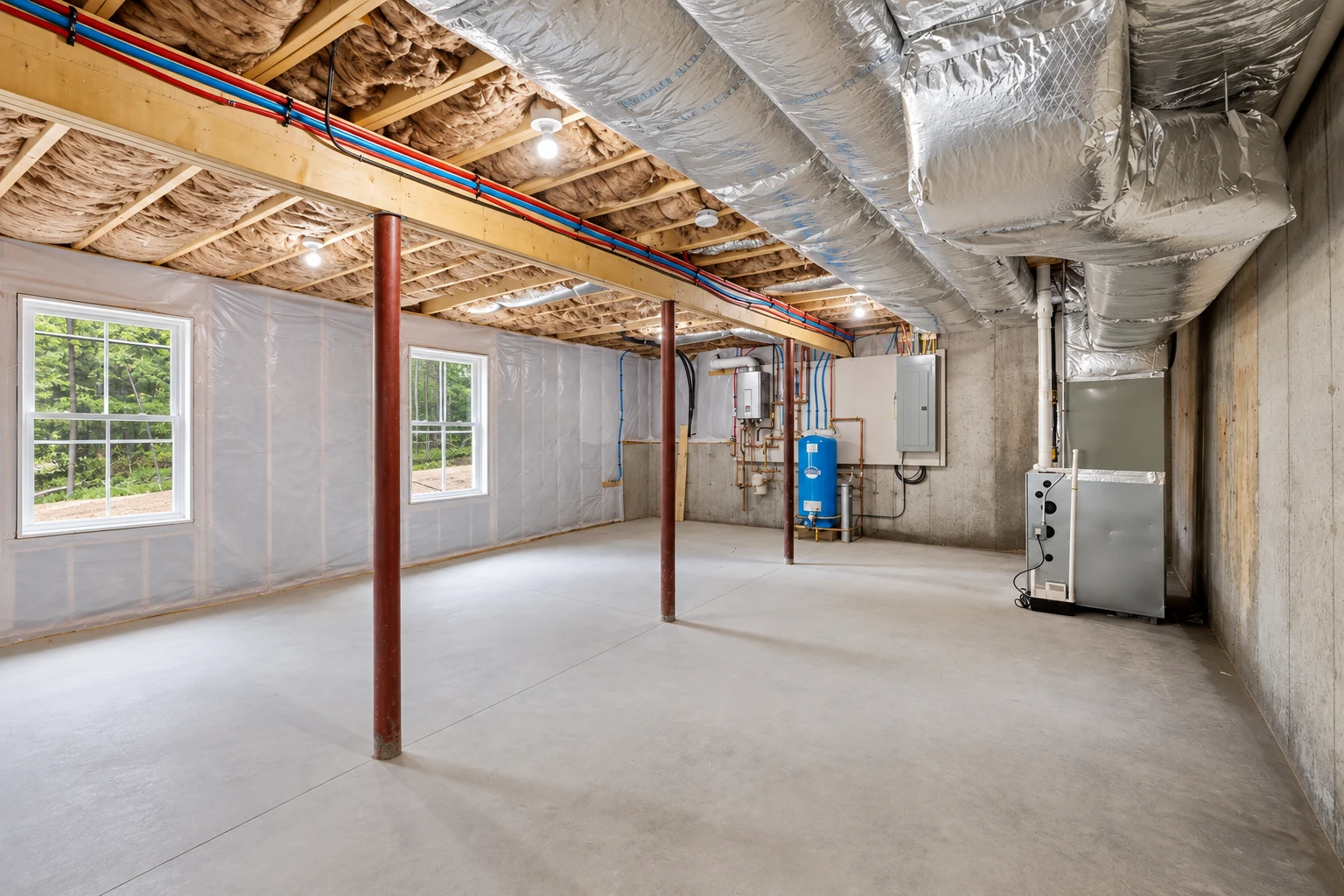
Basement insulation in Lafayette covers your foundation walls, from the inside or the outside, so they stop getting cold enough to sweat and the room stays drier and warmer. Done in the right order, with any water problem handled first, it makes a damp, chilly basement into space you can actually use.
Most people call us because the floor down there is cold, the room smells musty, or the walls feel damp to the touch. The price mostly depends on how much wall there is, which method fits, whether the walls get covered for a finished room and whether there's water to fix first. The schedule mostly turns on that water work and any permit the job needs. When I come out, I walk the basement with you and write out what I'd do and why, so you see your own figure before anything starts.
How we handle basement insulation
First I look for water, because insulation won't cure a leak or a damp wall. It just hides one. If the basement leaks or stays damp, we sort out the water side before anything else, or I tell you which trade to call for it. Then we talk through insulating from the inside or the outside, based on how you plan to use the space. On an inside job, our crew clears and cleans the walls, closes the gaps around pipes, wires and the top of the wall so the insulation isn't fighting a draft, seals the rim joist, the band of framing that sits on top of the foundation, and then puts the insulation on the walls. I check it over with you at the end.
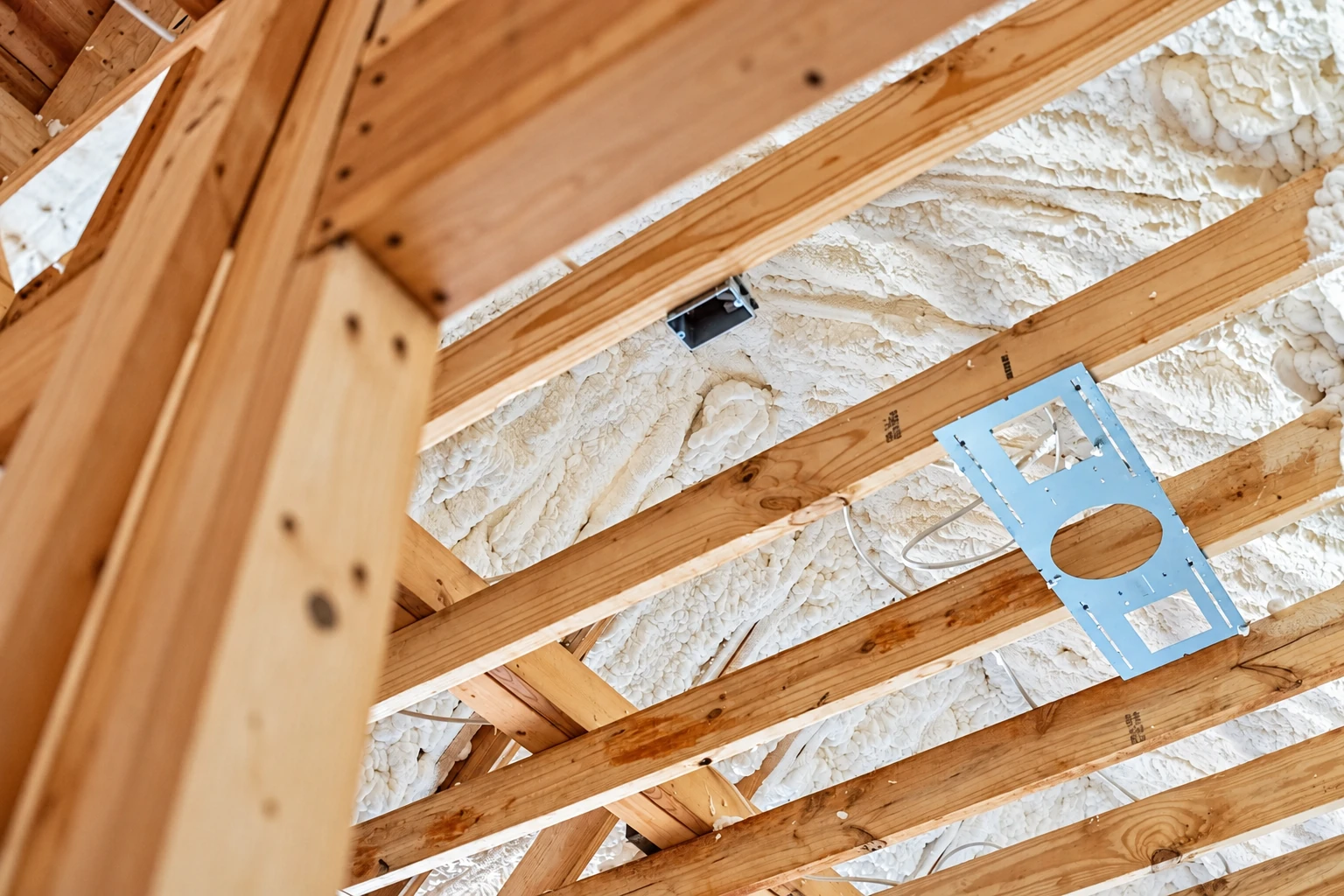
On the concrete itself we usually use closed-cell foam insulation, a dense foam that blocks moisture and stops drafts in the same layer, which is why it suits a foundation wall. Open-cell foam insulation is softer and costs less, so I keep it off the concrete and use it in framed walls and ceilings where moisture isn't the worry.
Foam on the inside of the wall
This suits most basements, especially one you plan to finish, because we can do it without digging and the walls are ready for framing when we leave. Spray foam costs more than rigid boards, so I suggest it where moisture is the bigger worry and boards where the wall is flat and dry.
Insulation on the outside of the wall
This suits a house where the ground along the foundation is already being dug out, say for waterproofing, because the wall is open and the insulation goes on with the dirt out of the way. It also leaves the whole inside of the basement free for whatever you want to do with it.
Basement insulation in Lafayette: permits and what we see
Inside Lafayette city limits, the City Engineer's Office issues building permits, and the city requires one for any alteration, repair or change to an existing building, so I don't assume a basement job is exempt. Before we schedule, I look up which office covers your address, since outside the city it can be the county or another office. If the job needs a permit, we handle the paperwork and tell you what the office needs from you. On permitted work, the city may also require a $5,000 bond from general contractors.
A lot of the basements we see around here are in older houses, where the walls feel cold, the corners smell damp and the owners want a family room or an office down there. We see the same mix on jobs in West Lafayette and Frankfort. Indiana adds radon to the list, since the state health department estimates nearly 1 out of every 3 homes in the state has levels above 4.0 picocuries per liter, so if you've never tested, it's worth knowing before the walls get covered.
Basement insulation work up close
Why call us for basement insulation
I walk your basement myself
I answer the phone, come out to look at the basement and write the estimate myself, with what I'd do and why. Our install crew does the work and I go over it with you at the end, so the person who planned the job is the one who checks it.
Running this business since 2017
Before I started this business in 2017, I spent years spraying foam and blowing fill on warehouses, offices and new buildings for a big commercial outfit. That work taught me how foam behaves on concrete and why the prep matters more than the spraying.
Licensed and insured on every job
We're licensed and insured, and that covers our crew in every basement we work in. If something goes wrong while we're in your house, you're not the one left carrying it.
Permit paperwork complete before scheduling
Lafayette reviews residential permit applications in up to seven days, and that clock only starts once every required document is in. When your job needs one, we send the full set at once so you don't lose a week over a missing page.
On a basement, the order of the work matters more than the material you pick. Tell me what you're seeing down there, and I'll come take a look.
(765) 250-8263Get a written plan for your basement walls
We reply to every message within one business day, and I'll set up a time to walk the basement with you. The estimate is free, done on site and comes with no obligation, and you'll get it in writing with what I'd do and why.
Basement insulation questions from Lafayette homeowners
Do I need to fix water problems before insulating my basement in Lafayette?
Yes. Keeping groundwater and rainwater out is the most important part of a dry basement, and insulation should go in only once that's under control. If yours leaks or stays damp, plan the water work first and the insulation second, and that's the order I'll write into your estimate.
What is the best way to insulate basement walls against moisture?
Closed-cell spray foam gives the best moisture control of any insulation used on the inside of a foundation wall, and it stops drafts too. Plan on covering it with ignition-barrier paint, a fire-resistant coating, or drywall as part of the job. If the basement becomes permanent living space, the foam needs a thermal barrier such as drywall, so we line that up with your drywall stage, and if local rules read differently, ask the code official.
How much does basement insulation cost in Lafayette?
Across the US, insulating a basement usually runs about $4.50 to $6.40 per square foot, and that's the market's range, not our quote. Where your job lands depends on the wall area, the method, whether the foam needs a covering and whether water work comes first. I measure the basement at the estimate and write out what I'd do, so you get your own number.
How do I decide between insulating basement walls inside or outside?
Outside insulation is an effective way to control moisture and save energy, and it suits houses where termites aren't a problem, as long as it's kept protected from moisture while it goes in. Inside, rigid foam boards work if they're stuck fully to the wall with no air gaps behind them and every edge and seam is sealed tight. Outside work means digging along the foundation, so it usually makes sense when that ground is being opened anyway.
Should I put plastic sheeting behind fiberglass insulation in my basement?
Usually not, because plastic sheeting on the inside of fiberglass-type insulation in a basement can trap moisture in the wall. Energy Department guidance points instead to Kraft-faced fiberglass batts, the kind with a paper backing, in the wall cavity, or latex paint on the drywall.
Will insulating my basement lower my heating bill?
It can, and the savings can be significant. How much depends on the climate, what you pay for fuel, the kind of heating system you have and how your household lives, so I won't promise you a number.
Plan your basement insulation and the water work first
Call (765) 250-8263 or send the form with your basement's size and any damp spots, so I come out knowing what to look for.